




Why is occupancy management a performance driver?
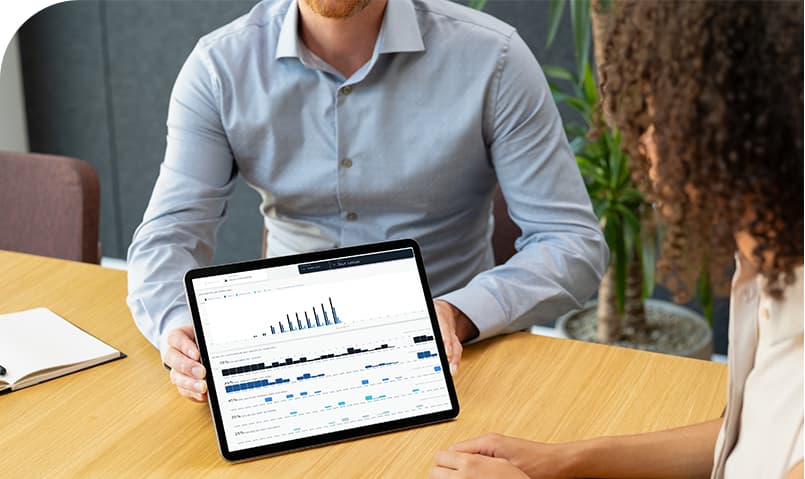
Workspaces are often underutilized or only partially used. Without structured occupancy measurement, decisions are based on assumptions that may be far from actual usage.
- With the widespread adoption of hybrid work, the average office occupancy rate in France has dropped to 40–50% (2023 flex office barometer published by CBRE)
- Precise analysis of occupancy data makes it possible to reduce energy consumption and improve environmental performance
- A response to new ways of working: employees are looking for flexible spaces suited to their uses (collaboration spaces, individual pods, etc.)
Key features of occupancy measurement with SpinalCom



What are the tangible benefits of data-driven occupancy management?
Occupancy measurement is becoming a strategic tool for organizations looking to adapt and enhance their work environments. This data-driven approach enables you:
- To reduce costs by lowering expenses related to under-occupied floor areas (heating, equipment, etc.).
- To be agile by organizing spaces according to their actual occupancy and to understand the real results of a new layout
- To improve the employee experience by offering spaces suited to their needs
- To prepare for an upcoming layout or relocation by understanding the actual use of spaces
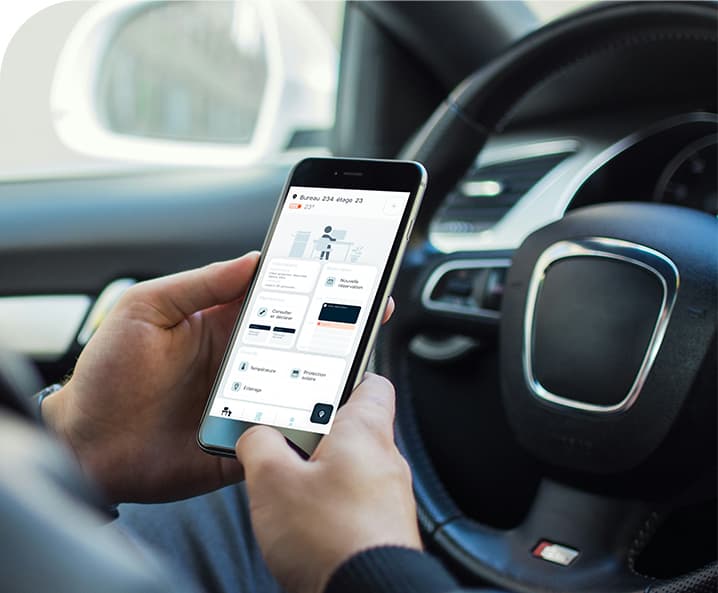
Occupancy insights: data serving your smart buildings Monitor in real time the occupancy of your offices, meeting rooms and other spaces to optimize your buildings and services.
Request a demoThey trust us










FAQs
What is occupancy management and measurement
Occupancy management consists of optimizing the use of workspaces to align employee needs with organizational objectives, considering productivity, well-being and profitability.
It aims to improve space efficiency, reduce real estate costs, foster collaboration and ensure employee comfort. Key components include collecting data on space usage, analyzing user needs and implementing flexible layout strategies.
Why measure the occupancy of your spaces
- OResource optimization: identify underused spaces to reduce costs and reallocate resources efficiently.
- Improved employee experience: adjust spaces to employees’ needs to support well-being and productivity.
- P Informed decision-making: have objective data to guide choices regarding layout and real estate investment.
What are the key indicators in measuring workplace space occupancy?
| Indicator | Definition | Calculation method | Purpose |
|---|---|---|---|
| Occupancy rate | Percentage of spaces occupied relative to the total available | (Number of occupied spaces / Total number of spaces) × 100 | Assess overall space usage and identify underutilized areas |
| Average occupancy duration | Frequency at which a space is vacated and reused | Total occupancy time / Number of occupancies | Understand actual space usage and adjust planning |
| Turnover rate | Frequency at which a space is vacated and reused | Number of space releases / Period | Measure usage flow and optimize availability |
| Occupancy density | Number of people per unit of space | Number of people / Occupied area | Adjust allocation of staff for comfort and safety |
| User satisfaction | Subjective assessment of the occupant experience | Survey or user feedback | Identify possible improvements and enhance workplace well-being |
Key benefits of measuring and managing occupancy
Measuring and managing occupancy makes it possible to reduce costs by lowering expenses related to under-used spaces, by optimizing the allocation of offices, meeting rooms and common areas.
It improves operational efficiency by streamlining internal processes and facility management, which makes it easier to monitor and maintain spaces. The approach contributes to strengthening sustainability by reducing the carbon footprint through more mindful use of resources and energy.
Finally, it supports adaptation to employees’ needs by creating flexible work environments tailored to hybrid modes, allowing everyone to have a space that matches their needs and the company’s uses.
What are the different methods for measuring occupancy
- Presence sensors: IoT devices detecting presence in offices and meeting rooms, providing real-time data and enabling precise analysis, but requiring a hardware investment.
- Manual counting: direct observation and recording of the number of occupants, a simple and inexpensive method but time-consuming and less accurate over large areas.
- Analysis of booking data: using booking systems to track space usage, practical for shared offices or meeting rooms, but not always reflecting actual presence.
- User surveys: collecting feedback to complement quantitative data, useful for understanding preferences and needs, but dependent on participation and honesty of responses.